
Call us now :07971191742
 Send Inquiry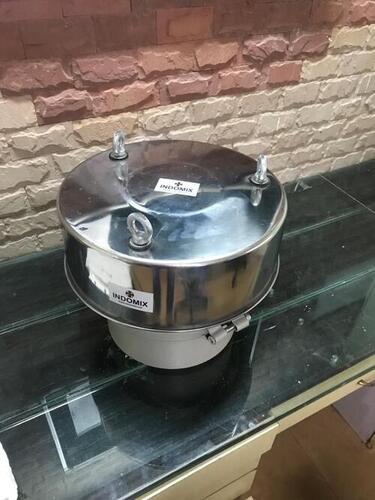
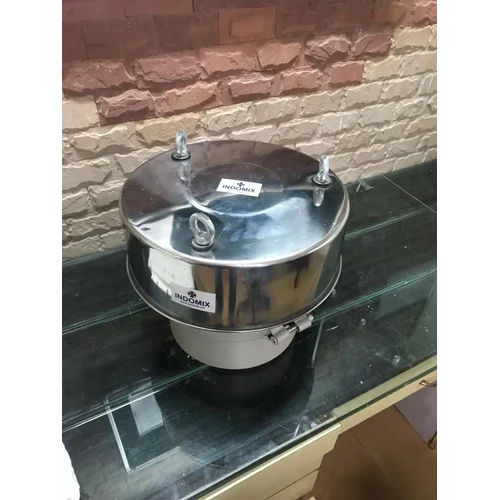
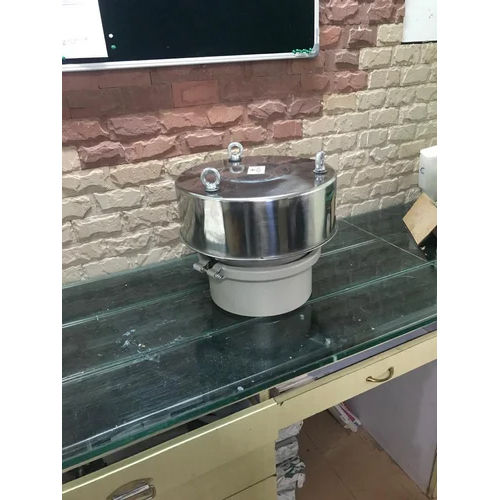
Pressure Relief Valve
Product Details:
- Connection Type Threaded flange
- Valve Size 1/2 inch to 2 inch
- Control System Manual (spring adjustment)
- Valve Type Pressure Relief
- Material Stainless Steel
- Features Corrosion resistant, high performance, compact design
- Structure Spring loaded
- Click to View more
X
Pressure Relief Valve Product Specifications
- Pressure control, safety mechanism in pipelines and tanks
- Pressure Relief
- Stainless Steel
- Corrosion resistant, high performance, compact design
- Air, Water, Gas, Hydraulic Oil
- Not required (mechanical operation)
- Standard pressure pin
- Metal-to-metal / PTFE
- Manual (spring adjustment)
- Relief Valve
- Stainless Steel
- Spring loaded
- 1/2 inch to 2 inch
- -10C to 80C
- 0.5 to 40 bar (adjustable)
- 1/2 inch
- Threaded flange
- Electropolish/Coated
- ASME/API
- 2.8 kg (approx for 1/2 inch size)
- Vertical/Horizonal
- Screwed/Flanged
- Carbon Steel / Stainless Steel
- Carton Box/Wooden Box
- Up to 100 LPM
- Class IV
Product Description
Pressure Relief Valve (Silo Accessories) in Concrete Batching Plant
Pressure Relief Valves are the last resort when abnormal pressure conditions endanger the silo structure. This is why sudden excess or suction pressure inside the silo must be dealt with instantaneously. Even though ideally a Pressure Relief Valve should never have to go into action, it must be efficient and reliable if needed.
Features
- Easy to install
- Have high durability
- Seamless finish
- Operating Pressure
Specification
| Material | Stainless Steel |
| Rust Resistance | No |
| Operating Temperature | Ambient |
| Media | Air |
Robust and Versatile Design
With a stainless steel body and choice of electropolish or coated finish, the valve is designed to withstand corrosion and harsh environments. Its adaptability to vertical or horizontal positions and a variety of end connections (screwed/flanged) make it suitable for numerous industrial settings. The compact design ensures effortless integration and reliable pressure relief.
Precision Pressure Control
Leveraging a manual spring adjustment system, this relief valve offers accurate control of pressures between 0.5 and 40 bar. Its spring-loaded mechanism, made from carbon steel or stainless steel, ensures consistent operation even under fluctuating conditions, safeguarding equipment and installations with high performance and minimal leakage.
Wide Application Range
Supporting media like air, water, gas, and hydraulic oil, the valve fits diverse applications in process industries, manufacturing, and utility pipelines. Its temperature range of -10C to 80C and flow capacity up to 100 LPM provide flexibility while ensuring safe and stable operation across varying pressure demands.
FAQs of Pressure Relief Valve:
Q: How does the pressure relief valve operate mechanically without power?
A: The pressure relief valve functions using a spring-loaded mechanism, requiring no external power source. As the system pressure increases and exceeds the springs preset force, the valve opens to release excess pressure, protecting pipelines and tanks.Q: What are the primary applications for this pressure relief valve?
A: This valve is ideal for pressure control and safety mechanisms in pipelines and tanks handling air, water, gas, or hydraulic oil. It is widely used in industrial processes, utility networks, and manufacturing setups to prevent overpressure scenarios.Q: In which mounting positions can this valve be installed?
A: The valve can be mounted both vertically and horizontally, offering installation flexibility to suit various pipeline layouts and system configurations.Q: What is the process for adjusting the pressure setting on this valve?
A: Pressure is adjusted manually via the spring adjustment. Turning the adjustment screw increases or decreases the spring tension, setting the opening pressure between 0.5 to 40 bar as required.Q: Where is this pressure relief valve typically manufactured and supplied?
A: This valve is designed, manufactured, and supplied by exporters and manufacturers in India, ensuring high-quality production standards and reliable global distribution.Q: What are the benefits of the valves corrosion-resistant features?
A: The use of stainless steel and electropolish or coated finishes provides excellent resistance to corrosion, enhancing durability and minimizing maintenance needs, especially in harsh or demanding environments.Q: When should you consider using metal-to-metal versus PTFE sealing on the valve?
A: Metal-to-metal sealing is favored in high-temperature or abrasive applications, while PTFE sealing is ideal for achieving superior chemical compatibility and tight shutoff in lower temperature and non-abrasive conditions.Tell us about your requirement

Price:
Quantity
Select Unit
- 50
- 100
- 200
- 250
- 500
- 1000+
Additional detail
Mobile number
Email

Other Products in 'Valves' category

 Send Inquiry
Our Products
- Bulk Material Handling Equipments
- Batching Plant Spare Parts
- Pneumatic Vibrators
- Sliding Gate Accessories
- Door Hardware
- Rolling Shutter Accessories
- Vibratory Motor
- Panic Bar
- Concrete Batching Plant Spares
- Turbo Air Ventilator
- Barriers Access Control
- Rolling Shutters
- Gate Operators
- External Vibrator
- Fire-Rated Glass
- Butterfly Valve
- Pressure Relief Valve
- Silo Accessories


Omdhandai Building, Ch.No 60/428, Pokhran Road No 1,Thane - 400606, Maharashtra, India

Mr. Sandeep Khodaskar
(Founder/Promoter)
Mobile :07971191742
 Send Inquiry
 Send SMS
Developed and Managed by Infocom Network Private Limited.
